







American’s favorite seafood
By Frank Whitman
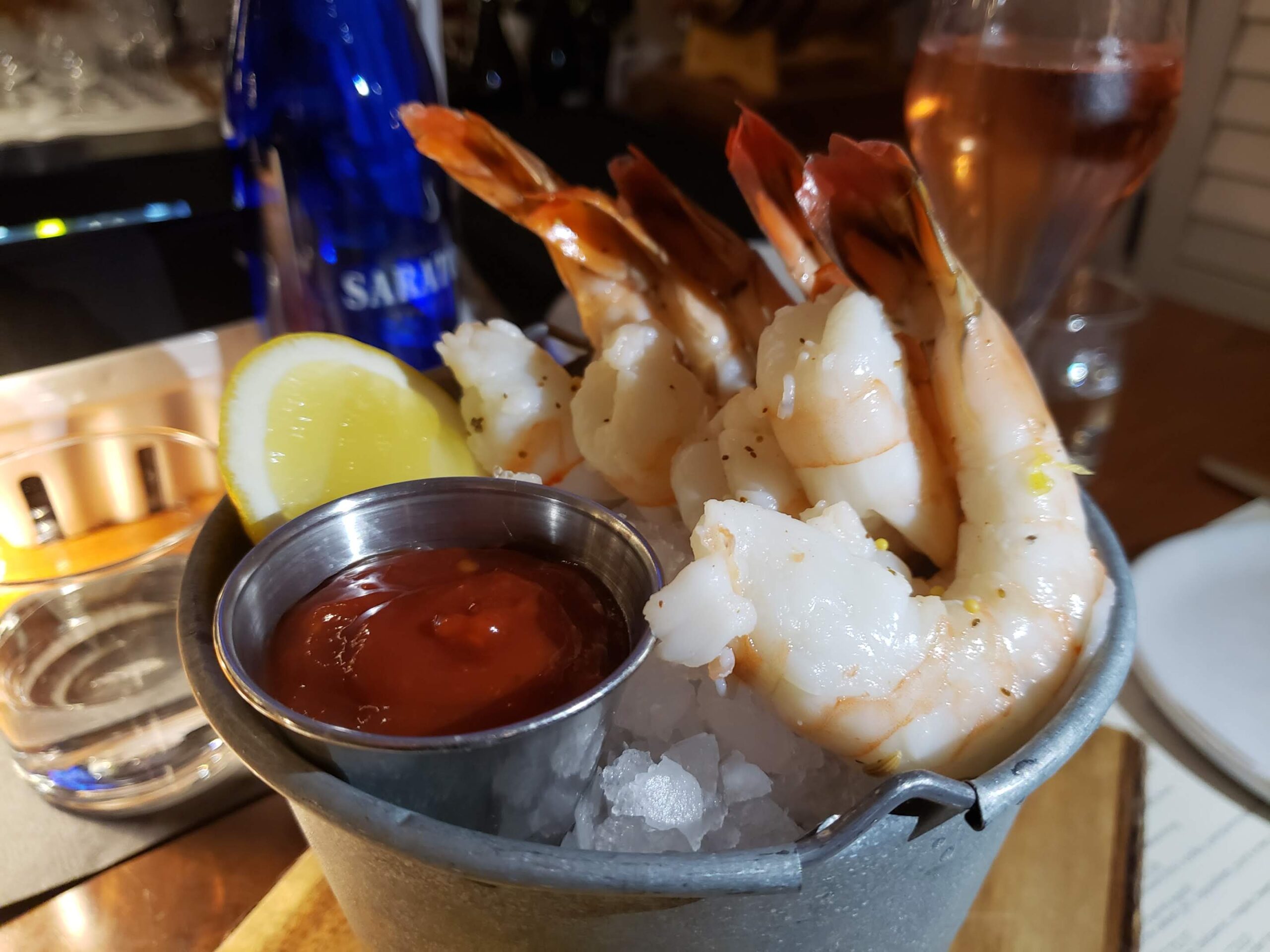
 I love shrimp, and I’m not alone. Americans eat more than five and and a half pounds per person every year, making it the country’s most popular seafood. That may not seem like a lot – just a garlicky scampi and a shrimp cocktail every month. But when you consider the number of folks who don’t eat shrimp, it leaves the rest of us to pick up the slack.
Most, in fact almost all, shrimp are frozen. They’re so perishable that wild-caught shrimp are frozen on the boat right after being netted. There’s no way they would be good after a typically long shrimping trip that could last days or weeks. It is possible, although difficult, to find fresh shrimp, a quest that has captured my interest anytime I’m near shrimping waters.
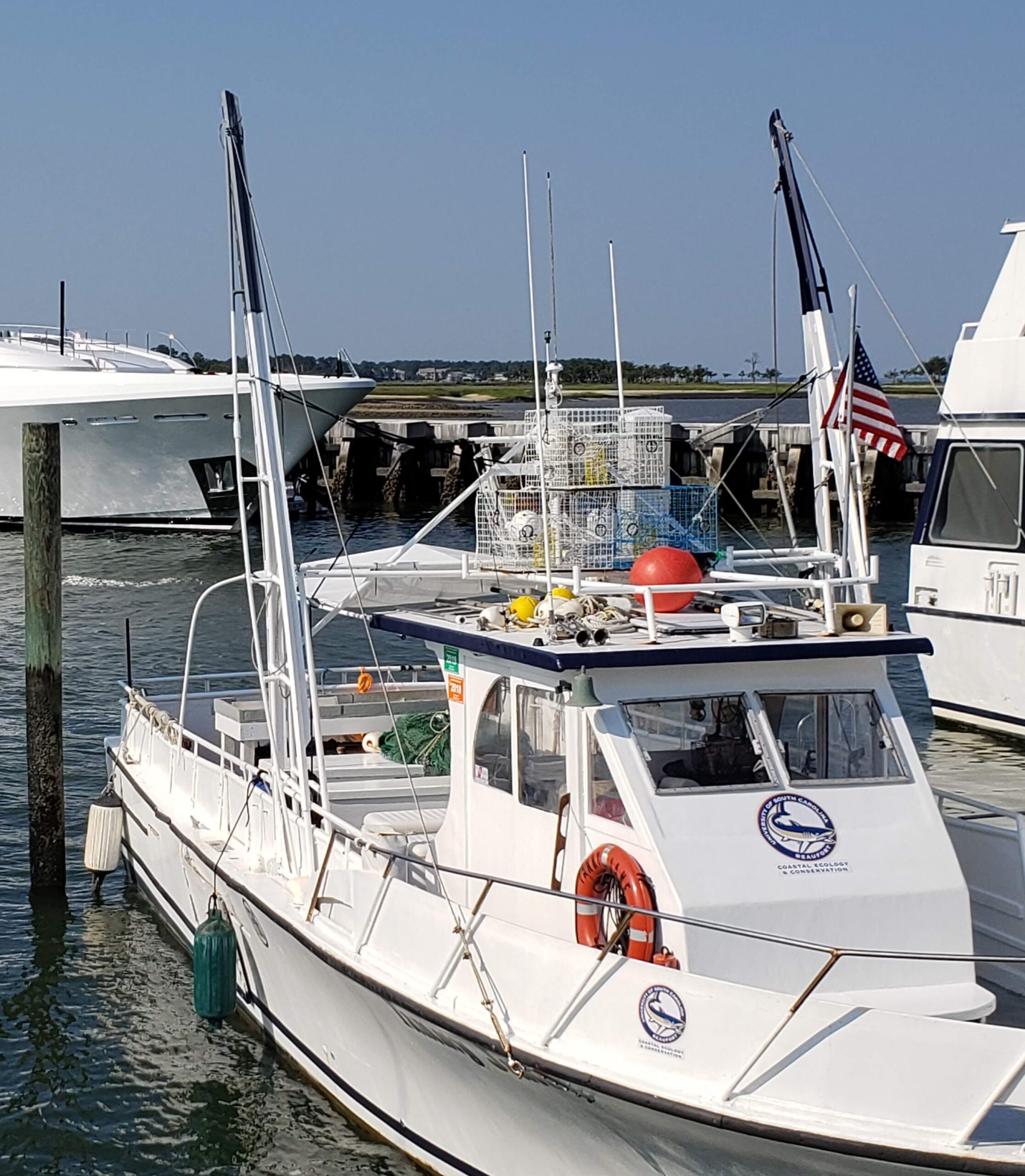
Tammy Jane
A few years ago, I took a ride on a tourist shrimp boat sailing Calibogue Sound out of Harbortown on Hilton Head Island, SC. The “Tammy Jane” was not a commercial shrimper but a smaller version for tourists to get a taste of how shrimp are caught. The forty-foot long trawl dragged a net across the bottom, bringing up a pile of white shrimp. I cooked my share for dinner that night – boiled with salt. bay leaves and lemon. Firm, with bright, sweet, shrimp flavor, they were the freshest and best shrimp I’d ever had.
Last year, on Marathon Key in Florida, I saw a shrimper at the dock unloading to a fish market. I went right in and picked up a few pounds for a shrimp and broccoli bake that night. The famous Key West Pinks were delicious, fresh and tasty.
A few weeks ago, we were again in the Keys where our hosts bought a couple of pounds of shrimp “right off the boat” at a local market. Sautéed with onions, peppers, bacon and chorizo they were delicious prepared as traditional shrimp and grits. (S & G is a typical southern coastal presentation for shrimp, but since the Keys are more tropical than southern, the dish is rare there.)
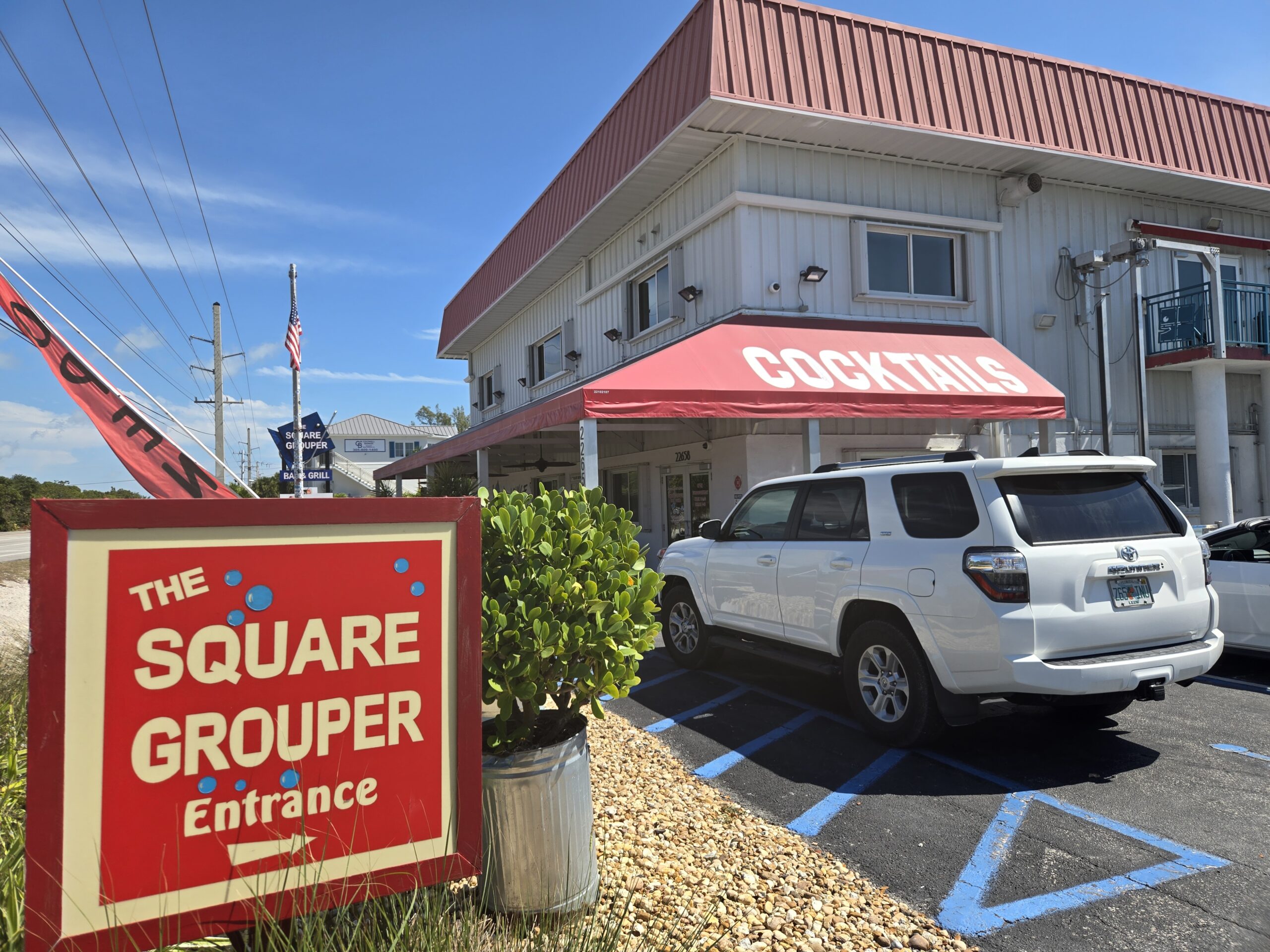 The next day during an excellent lunch at the Square Grouper on Cudjoe Key, my fresh shrimp fantasies came crashing down. I recommended a shrimp dish to our table of six, touting the fresh-caught flavor of the local crustaceans, when our friendly waiter, Thomas, chimed in to correct me. “All the shrimp are frozen on the boat,” he said with authority. He went on to establish his bona fides as an enthusiastic angler and long-time “Conch.” “The boats go out for weeks at a time,” he explained, “and the shrimp are frozen within hours of being netted.” My disappointment was obvious, but some good-natured banter smoothed out his regret at exploding my shrimp-source fantasy.
So much for my knowledge. Still, the wild-caught Keys Pinks are particularly tasty. Frozen or not, I liked them.
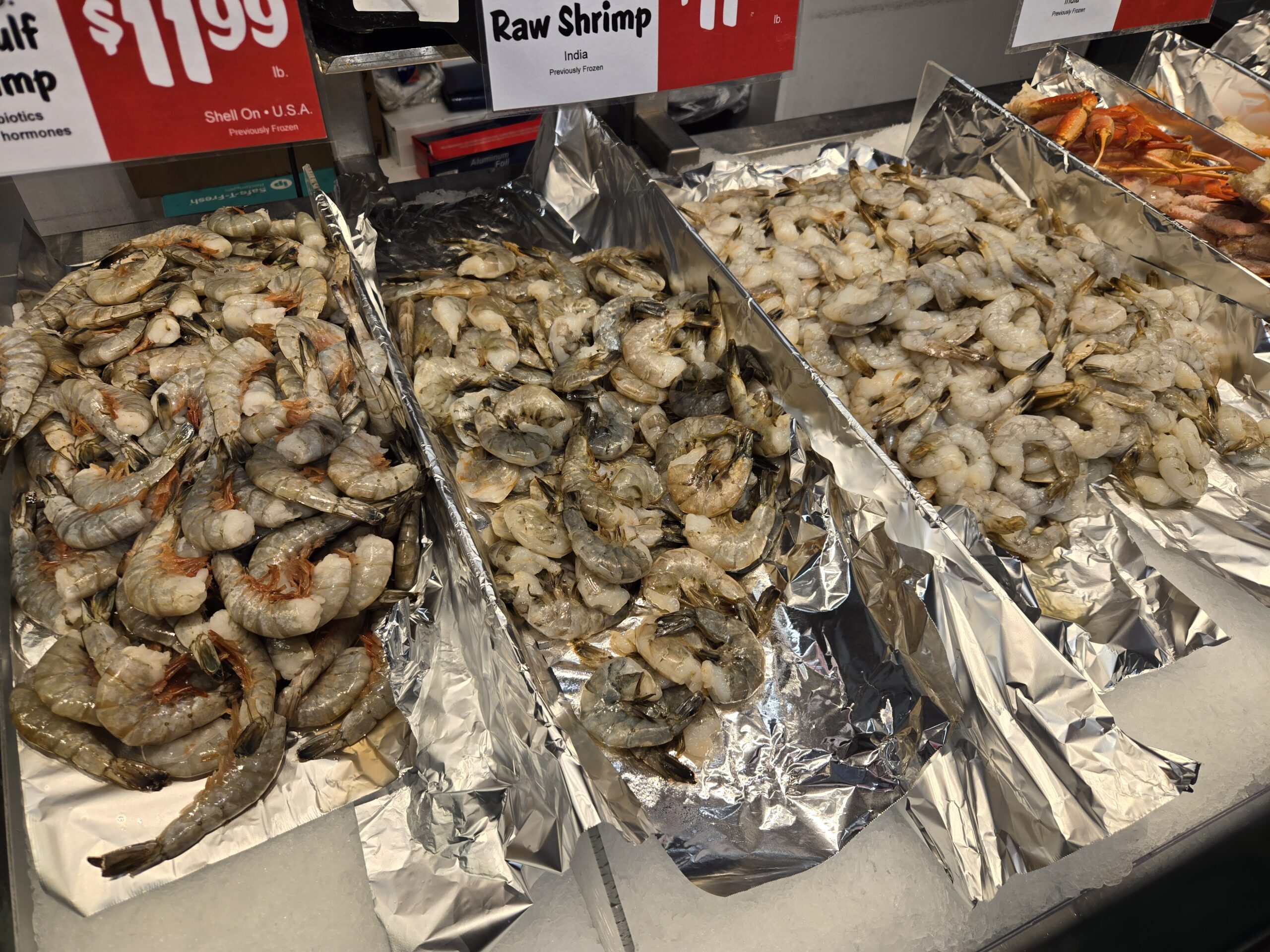 On a retail fish counter, the shrimp on ice should have the disclaimer, “previously frozen” in the fine print on the label. In any grocery store there are definitely no shrimp that haven’t been frozen. And that’s OK, frozen at sea within hours of catching is the best way to preserve flavor and quality.
About half of the shrimp we eat are farmed, not wild-caught. In man-made ponds, usually in the far east, shrimp are raised in much the same way as farmed salmon. Again, they are frozen immediately after harvest.
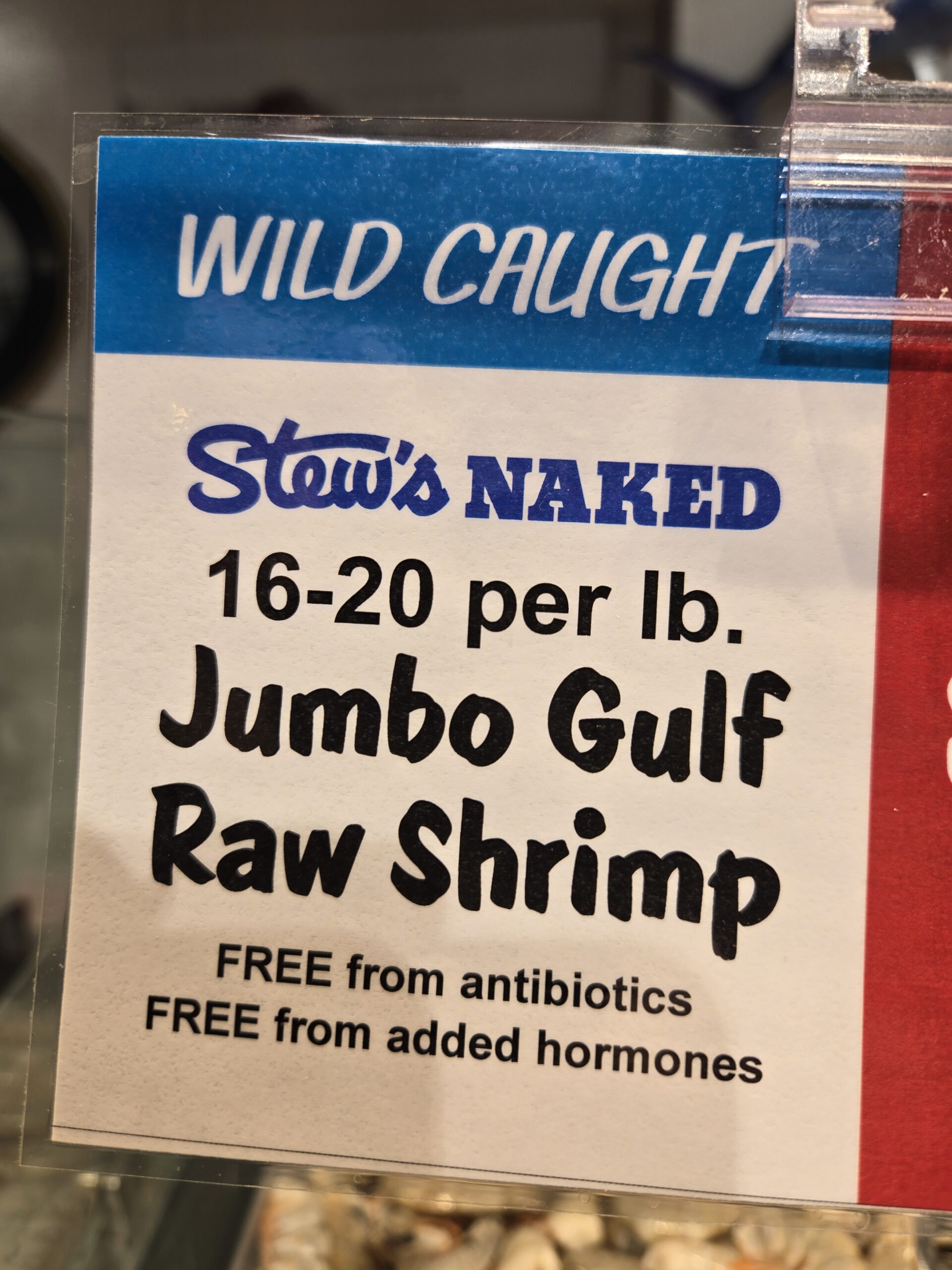
If you can find a dock where local day-boats bring in fresh-caught shrimp, they will be a treat. But that’s not likely. The next best thing is to look for wild-caught shrimp. They’ll be frozen but still have the 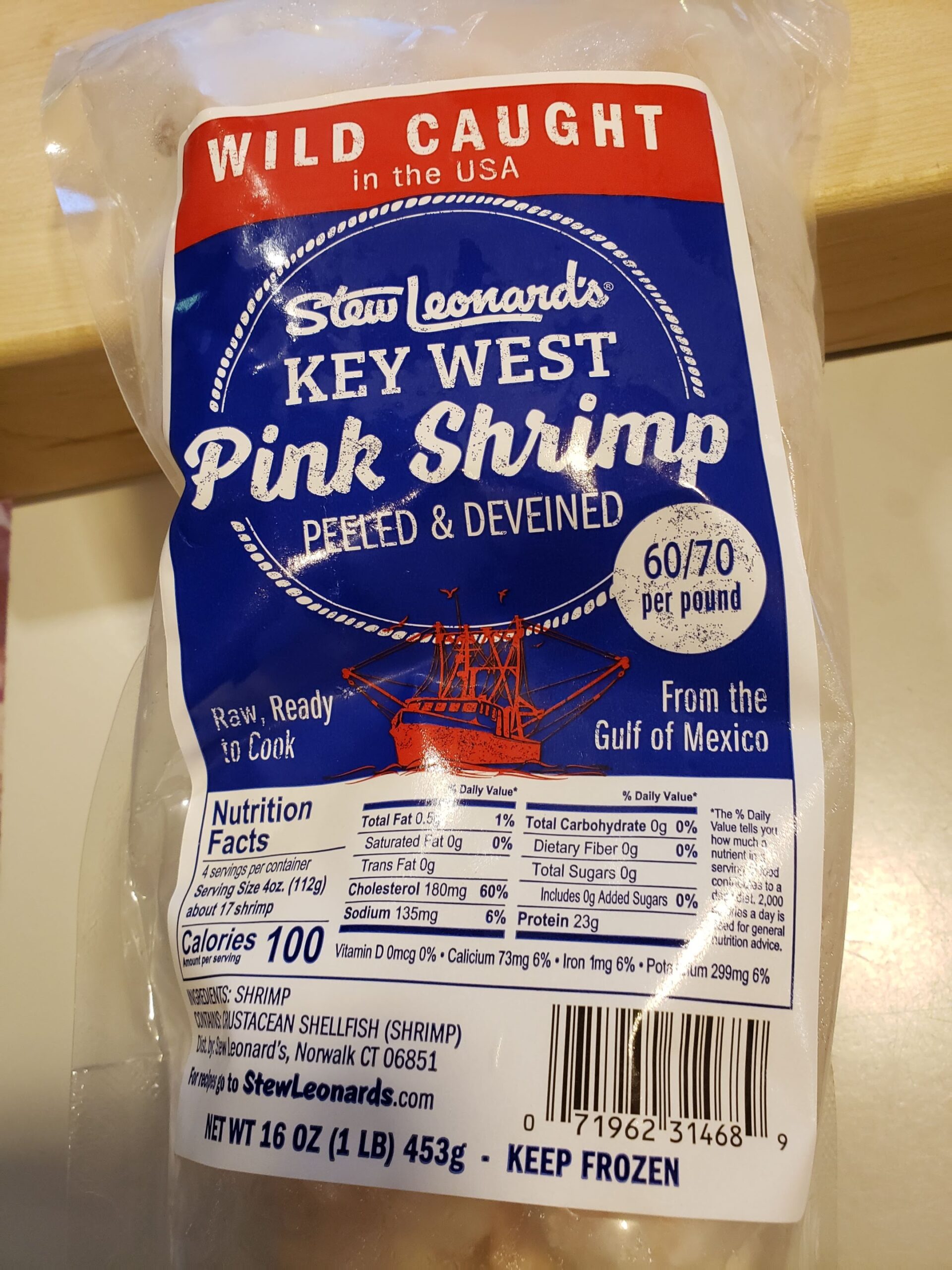 character of the waters where they lived. (Wild Key West Pinks are most plentiful in the Spring and Fall. Look for them in the frozen section.) Farmed shrimp can be fine, but shop at a store you trust or get a brand you know to insure the best experience. With shrimp, like so many things, you get what you pay for. The good stuff runs to money.
There are endless ways to enjoy shrimp, just listen to Benjamin Buford “Bubba” Blue recite his list to Forest Gump as they go through boot camp. It will make your mouth water. No wonder we eat so much shrimp.


No Comment