


Food adventures under the Christmas Tree
By Frank Whitman
 Bruno Courrèges is the perfect small town police chief. He knows his neighbors, coaches the kids, understands when to go easy and when to get tough, and he’s always ready to lend a helping hand. Surprisingly, there’s a lot of crime in his rural neck of the woods, often by international types that require assistance from regional and natural resources – who all find Bruno’s local knowledge and practical approach invaluable.
Bruno also likes to eat well. He and his friends regularly gather for communal meals and celebrations. Fortunately, he is in the center of a food-rich region where ingredients are farmed by locals or foraged in nearby forests. His personal larder is filled with hand-made delicacies, his 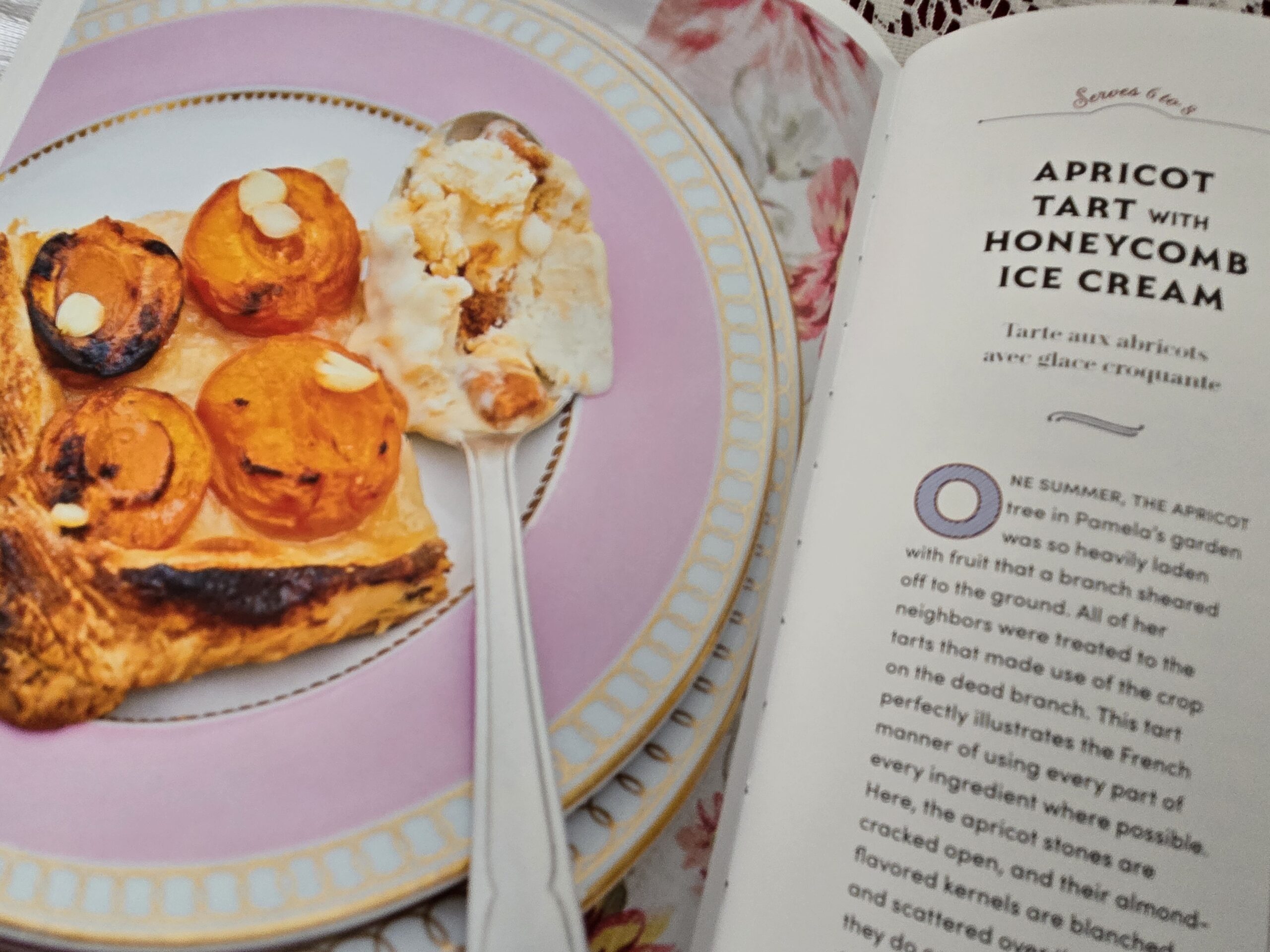 garden is a constant source of fresh produce and in his back yard is hidden a small but growing source of wild truffles.
Seems too good to be true. Well it is (sort of).
Bruno is the fictional creation of journalist and author Martin Walker. But his love of great food, hearty country cooking, bountiful markets and local wines is real. His “la belle vie” lifestyle is set in the Dordogne, a calorie-rich region in southwest France.
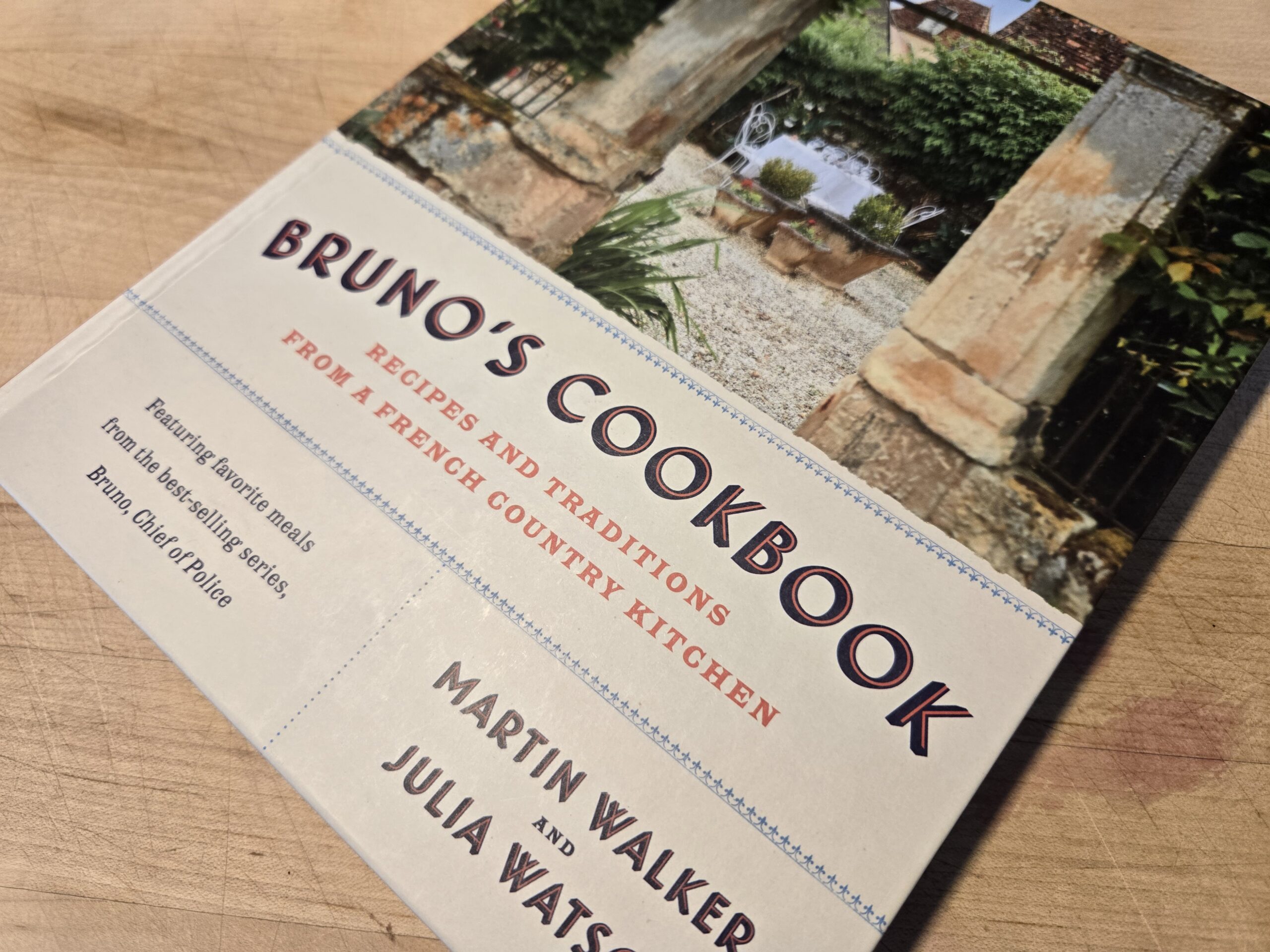 Across 19 Bruno, Chief of Police books, Walker has shared the cuisine and culture of the Dordogne in mouth-watering detail. The culinary bounty and traditions of cooking are based on authentic ingredients, local wines, and Dordogne specialities like foie gras and truffles. They simmer up a heady stew of flavor that wafts through the doings of the bad guys and the cops.
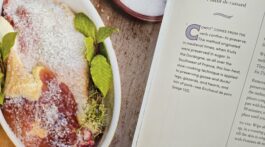
At last, Walker, in conjunction with his Dordogne neighbor, Julia Watson, has published a cookbook that provides ingredients and method to the menus in the books. Lucky for me, there was a copy of Bruno’s Cookbook under the Christmas Tree.
Creatively organized by vendor, the chapters have headings named after Bruno’s (and Walker’s) 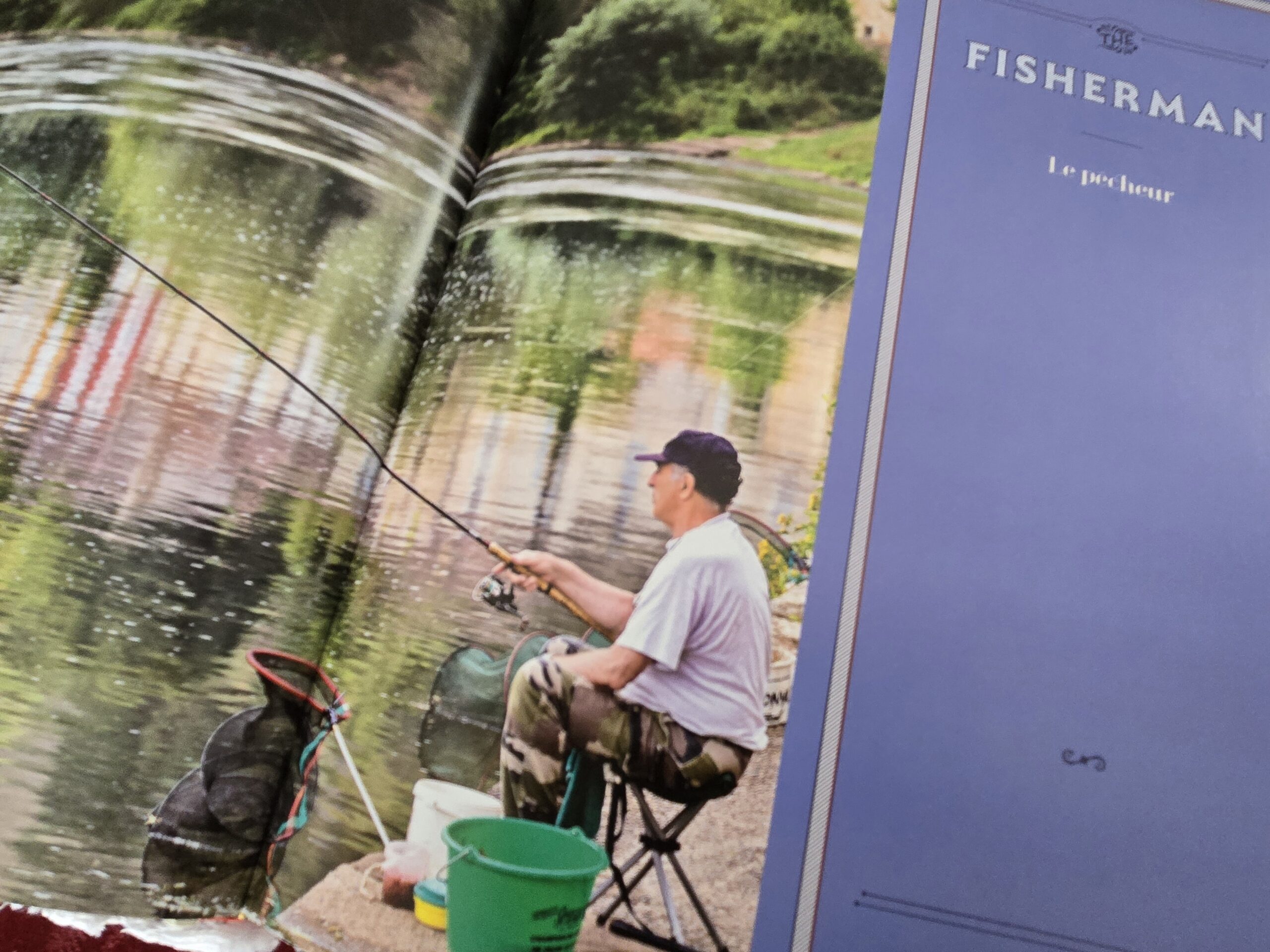 community of sources: Vegetable Plot, Hunter, Butcher, Cheesemaker, Baker, Forager, Fisherman and more. The tempting recipes are fascinating to read, often calling for exotic ingredients like duck fat, calf’s foot, and truffles, easily found across Bruno’s region, not widely available here. Walker includes notes that explain how the characters in the books grow for, cook, and enjoy the featured recipes.
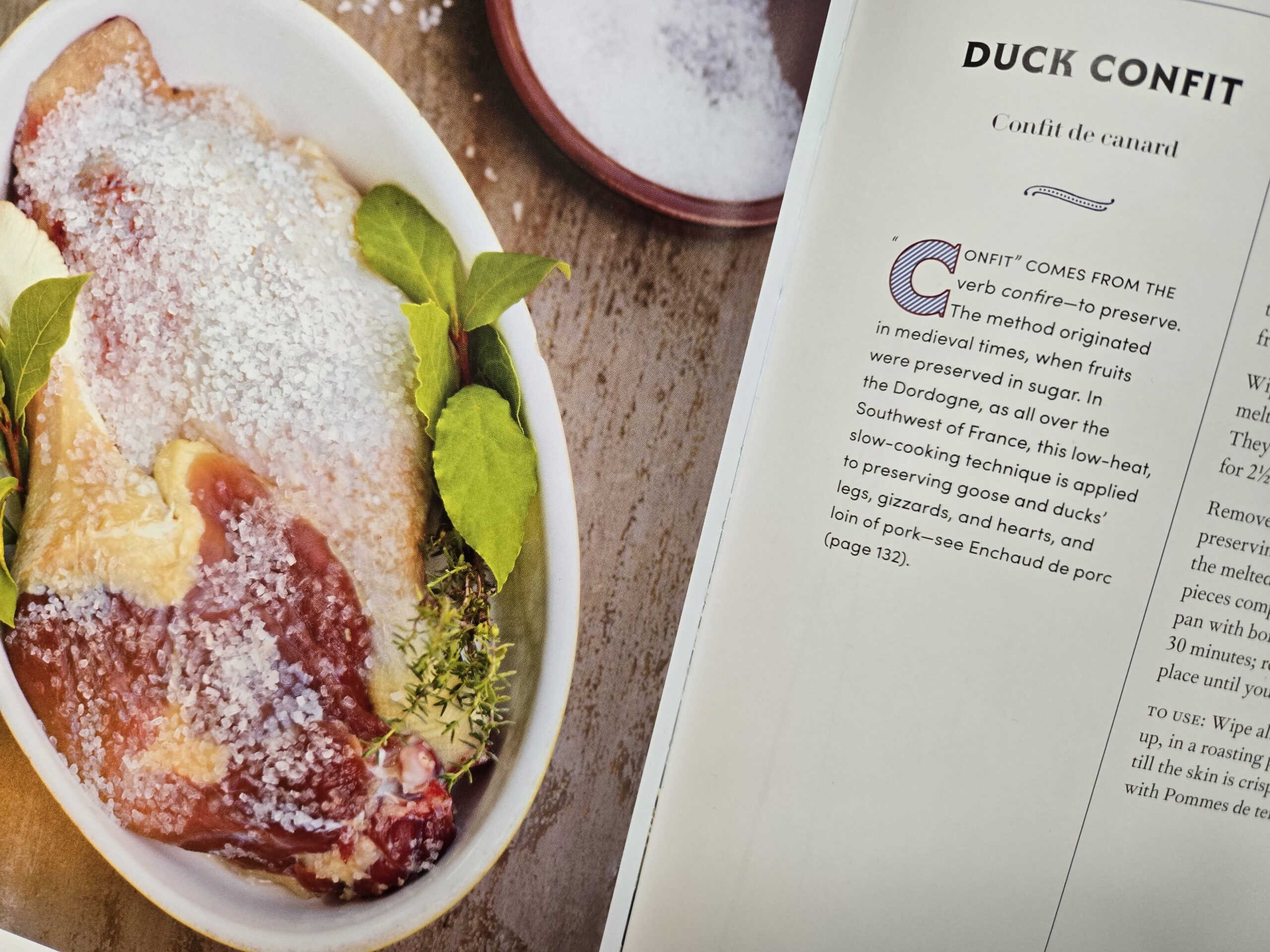
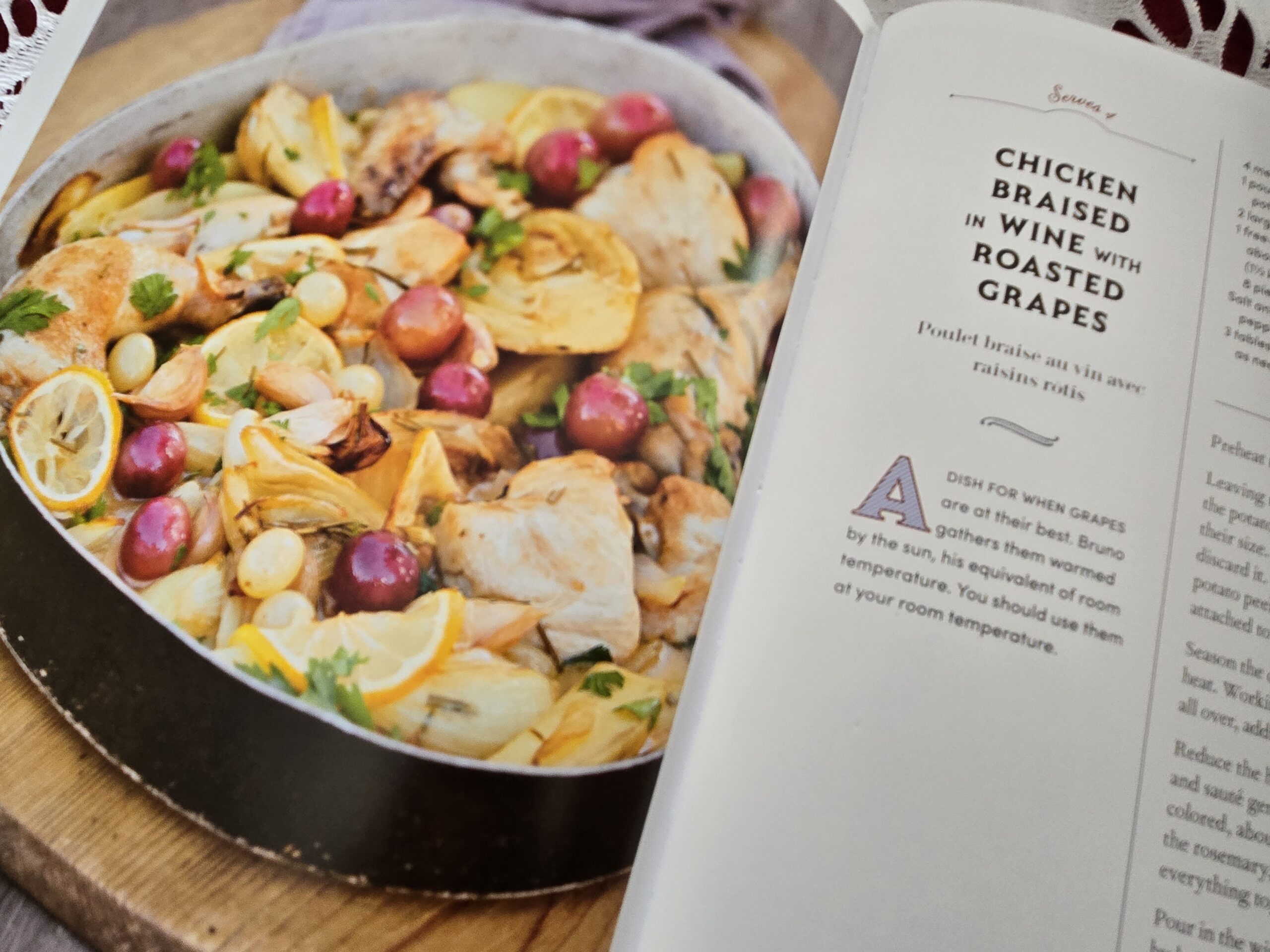
The absorbing book is filled with Walker’s seductive pictures of the food, the locals, and the region. Leafing through the book with a glass of wine in hand, there are a few recipes to flag for a kitchen trial, but the overall effect stirs the desire for a ticket on the next flight to Paris and then a connection by plane or train to either Bordeaux or Bergerac – a compelling takeaway.
I wasn’t the only one to find a food adventure under our tree on Christmas morning.
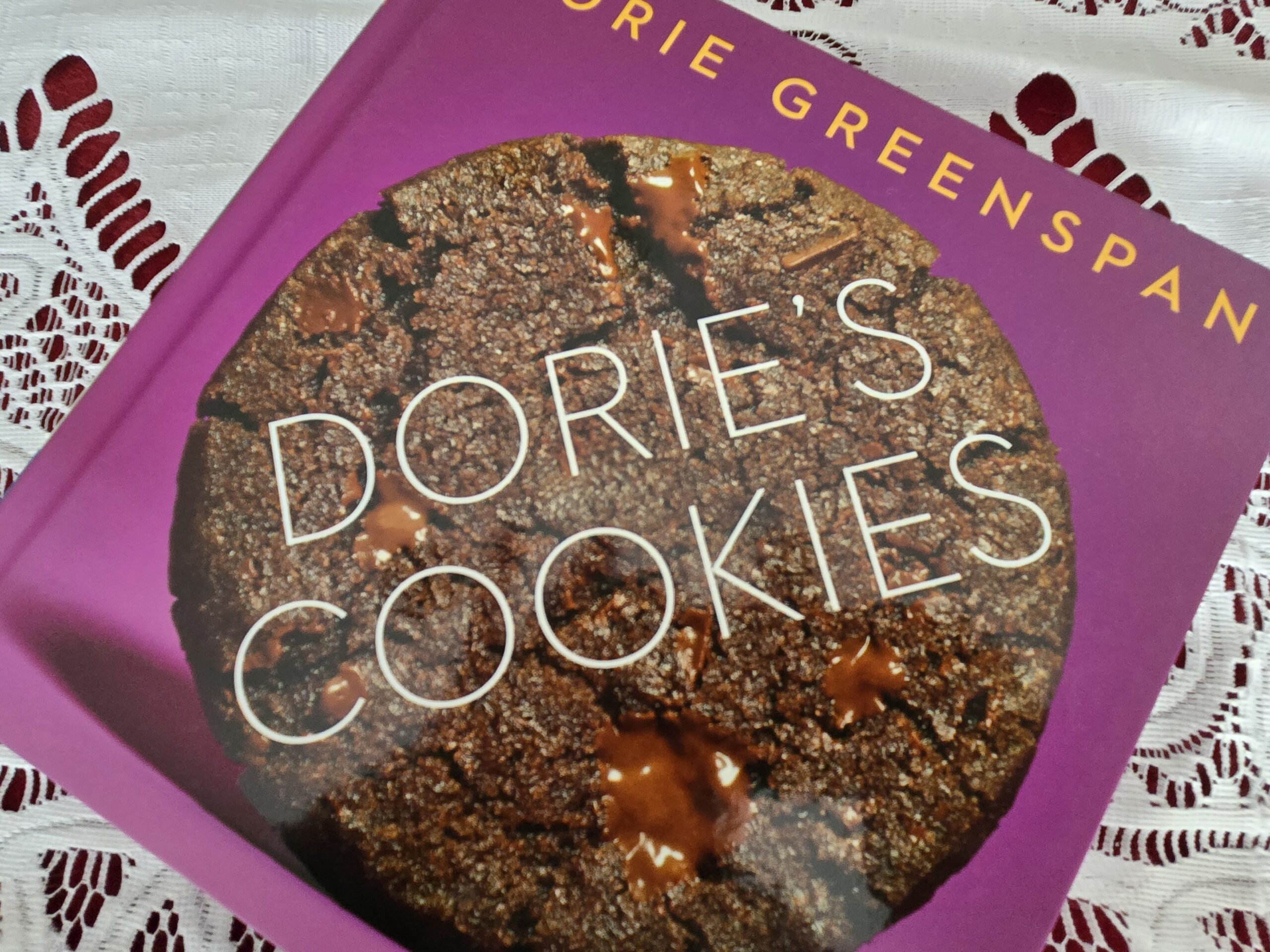 Marsha and I had heard author Dorie Greenspan discuss her new book, Dorie’s Anytime Cakes at the New Canaan Library. Her previous book, Dorie’s Cookies, also came up at the talk. Marsha leaned over and said, “I’d like to have that book.” So there it was on Christmas Morning. There are at least a dozen variations on chocolate chip cookies and hundreds more recipes, both fancy and plain.
For me there was also the King Arthur Baking School Cookbook, a detailed, step-by-step on rolls and breads, pies, cakes and so much more. As you would expect from a premier maker of baking ingredients and supplies, it gets pretty serious, digging deep into the hows and whys of successful baking. I’m all in.
Granddaughter Moira was also on the cookbook list. Sweet & Salty!: King Arthur Baking Company’s Cookbook for Young Bakers will be, I hope, her gateway to a lifetime of satisfying time in the kitchen. 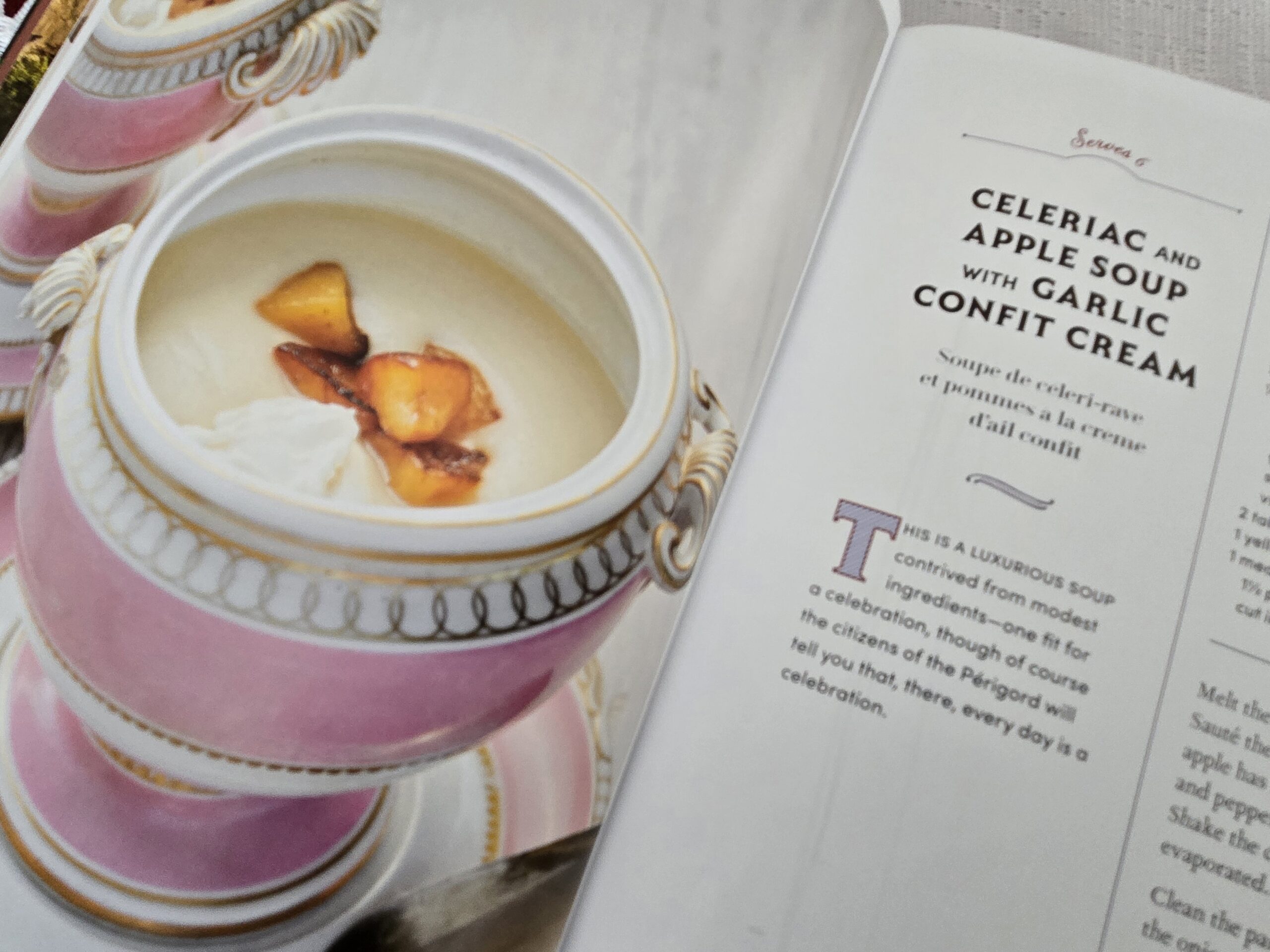 She’s a hot prospect, already well-versed in the world of The Great British Baking Show and eager to make her signature peanut butter cookies.
On an evening in California on a Thanksgiving visit to our son, we leafed through vintage cookbooks that he had picked up at the local library. It was fun to banter back and forth on the ideas, ingredients and methods from the past and make a wish list of things to cook. I particularly enjoyed French Country Kitchen by James Villas, a 1992 edition subtitled The Undiscovered Glories of French Regional Cuisine that he included in a box of wrapped Christmas gifts sent to put under our tree. Unwrapped and marked “Not a Christmas present” he just stuck it in to pass along.
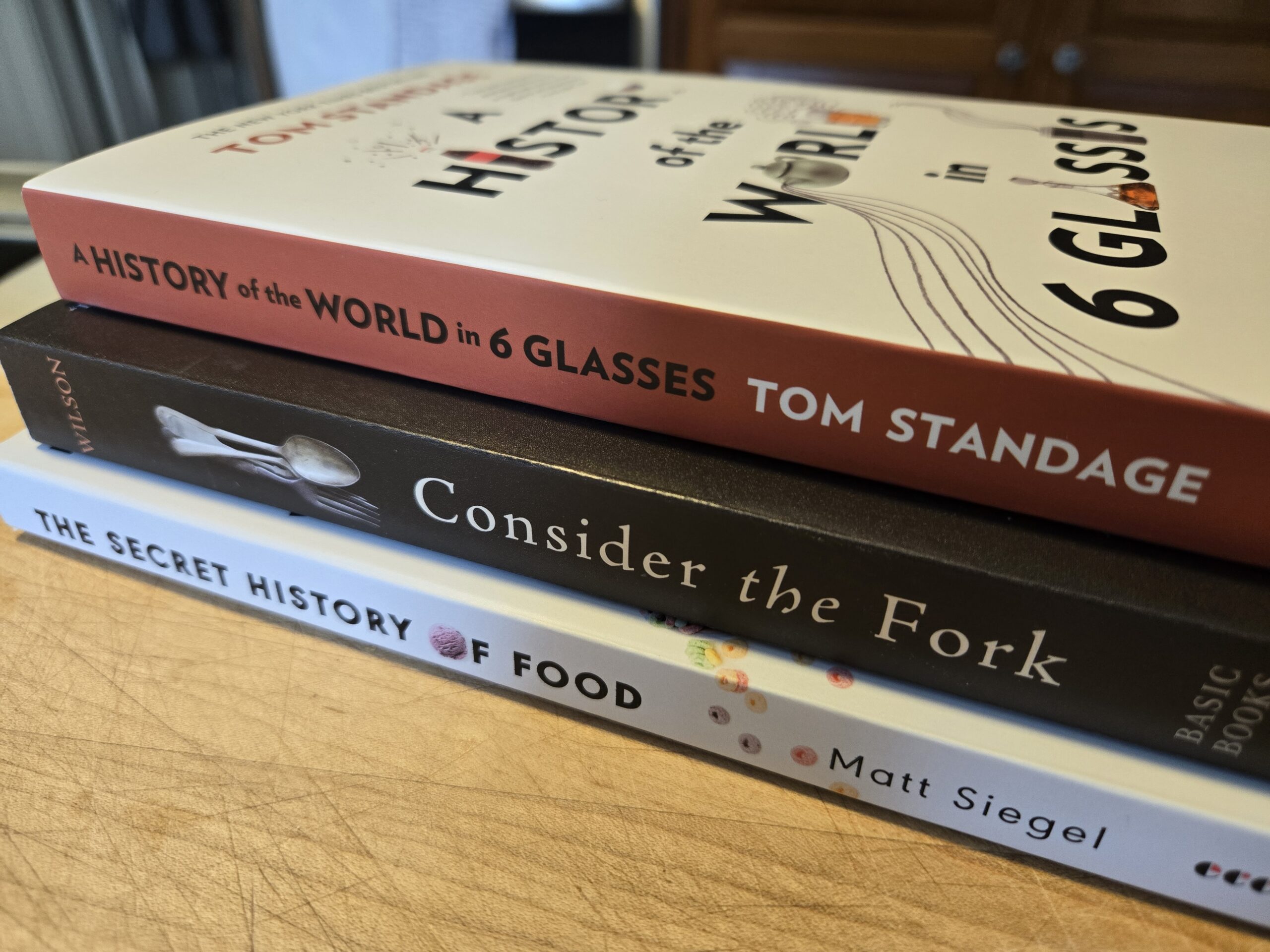 Although not cookbooks, three food volumes rounded out my holiday haul: The Secret History of Food by Matt Siegel; Consider the Fork by Bee Wilson; and A History of the World in 6 Glasses by Tom Standage – all from my daughter’s family.
I’m all set for culinary exploration in 2026. It’s shaping up to be a tasty year.


No Comment